Multispecies Cities Exchange
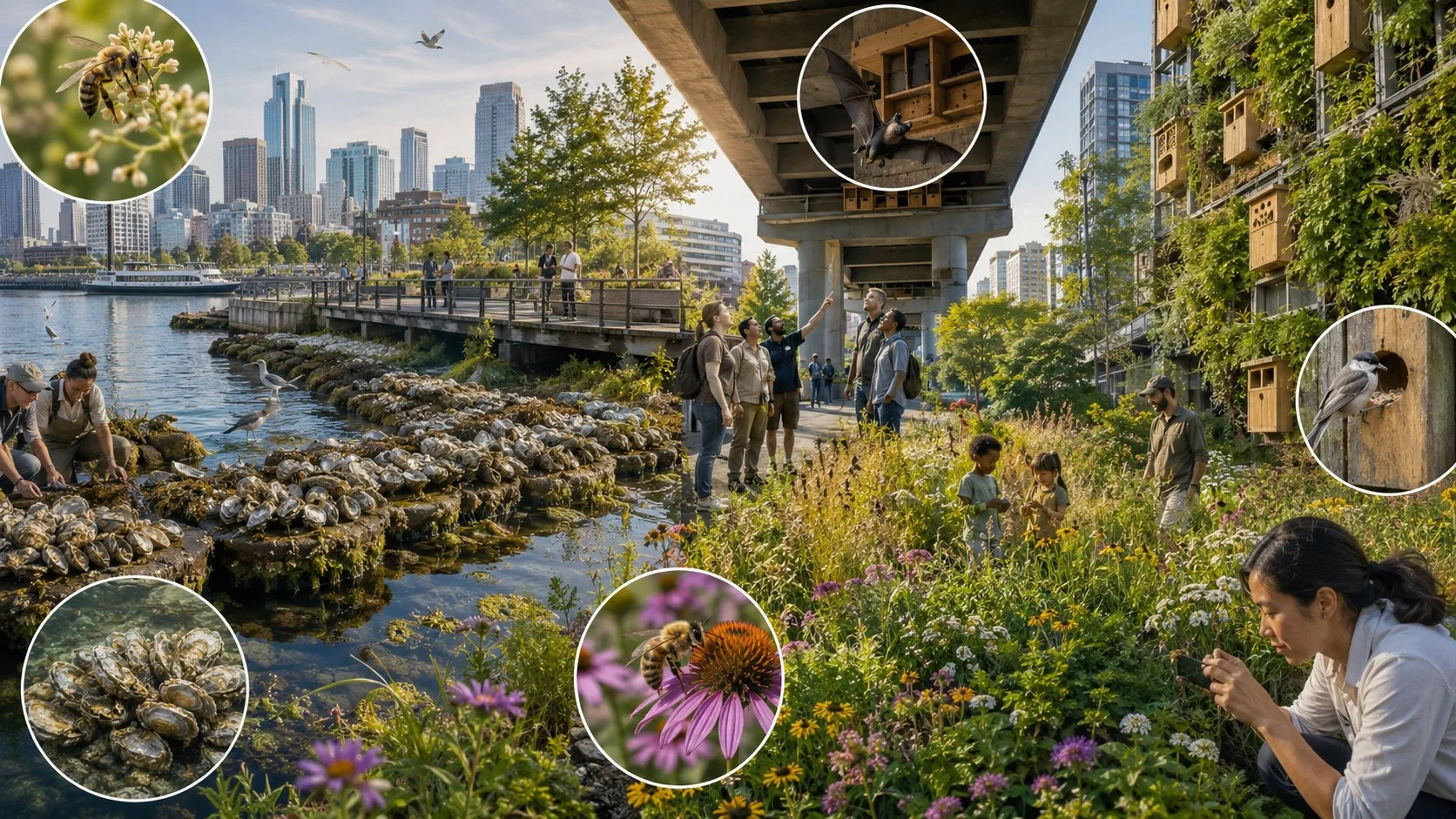
A collaborative research effort focused on how cities can better support both human and more-than-human life.
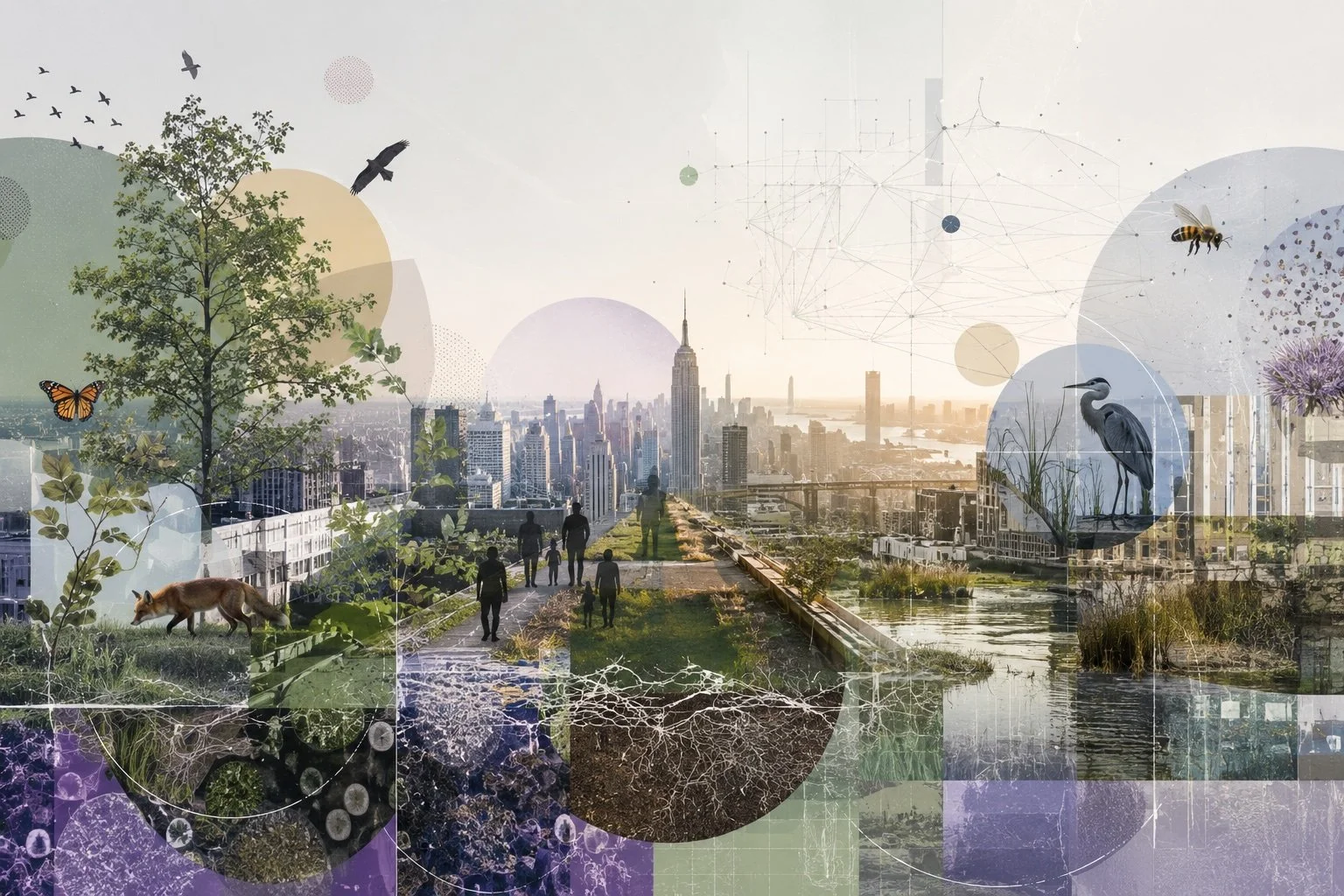
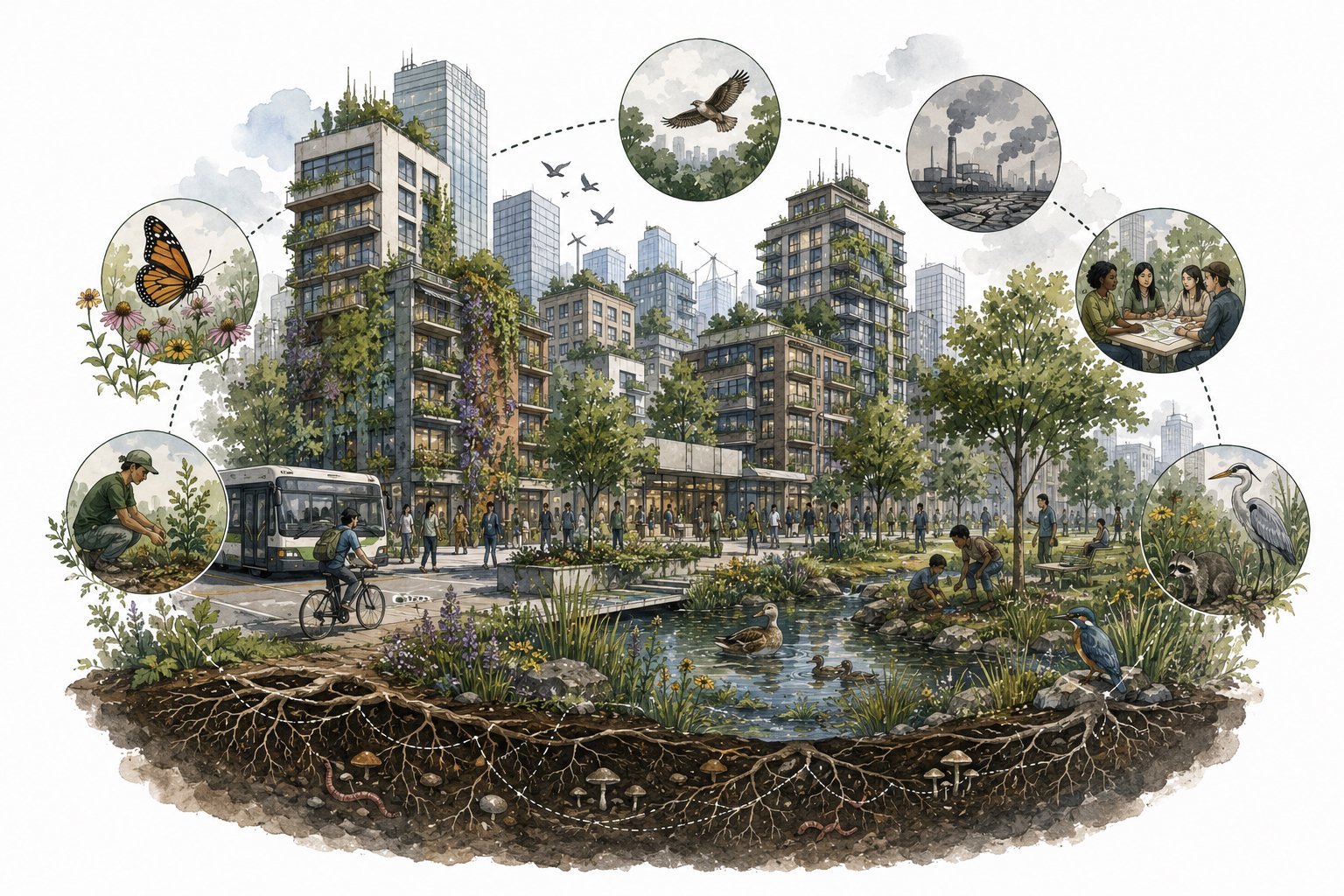
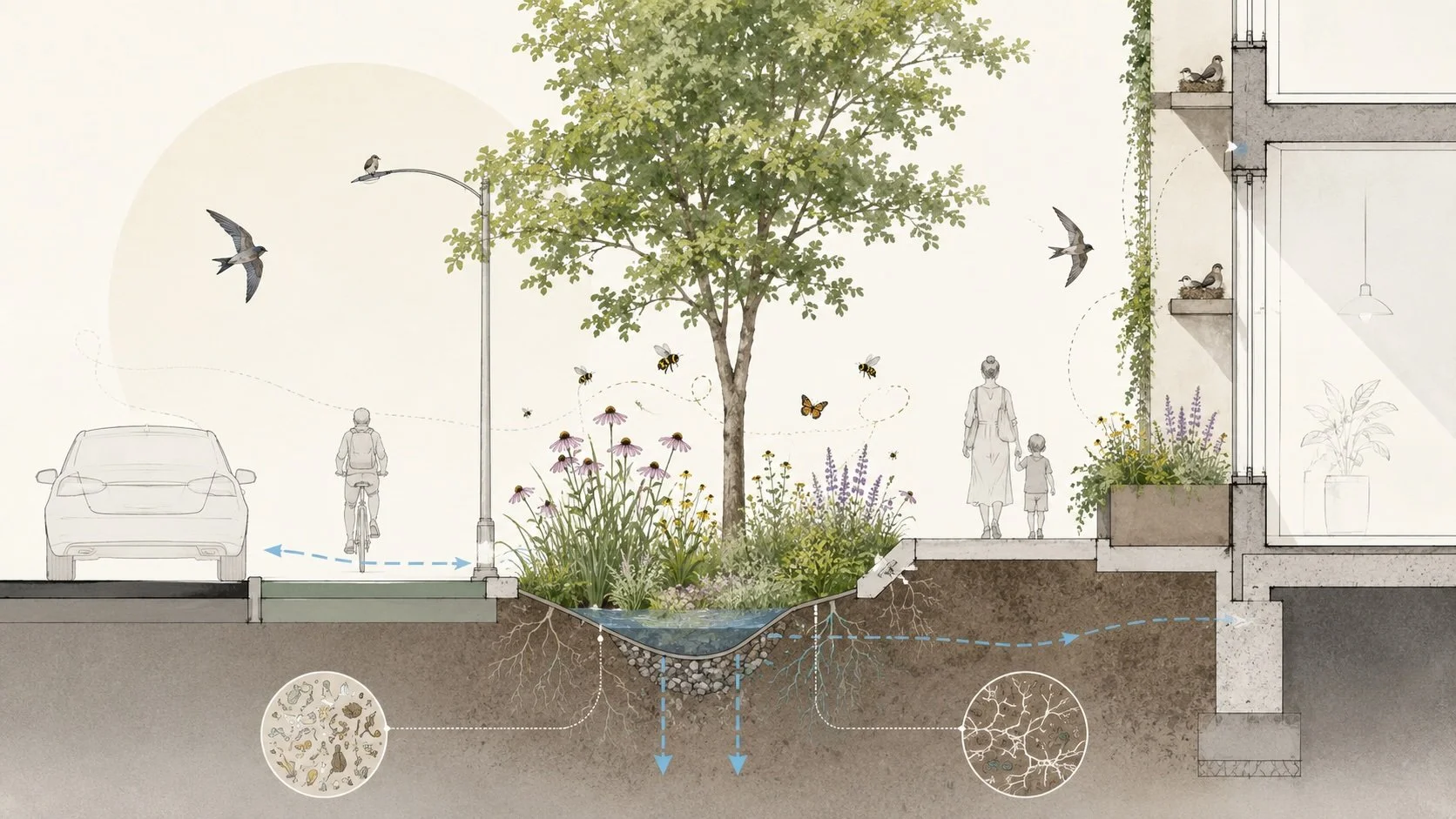
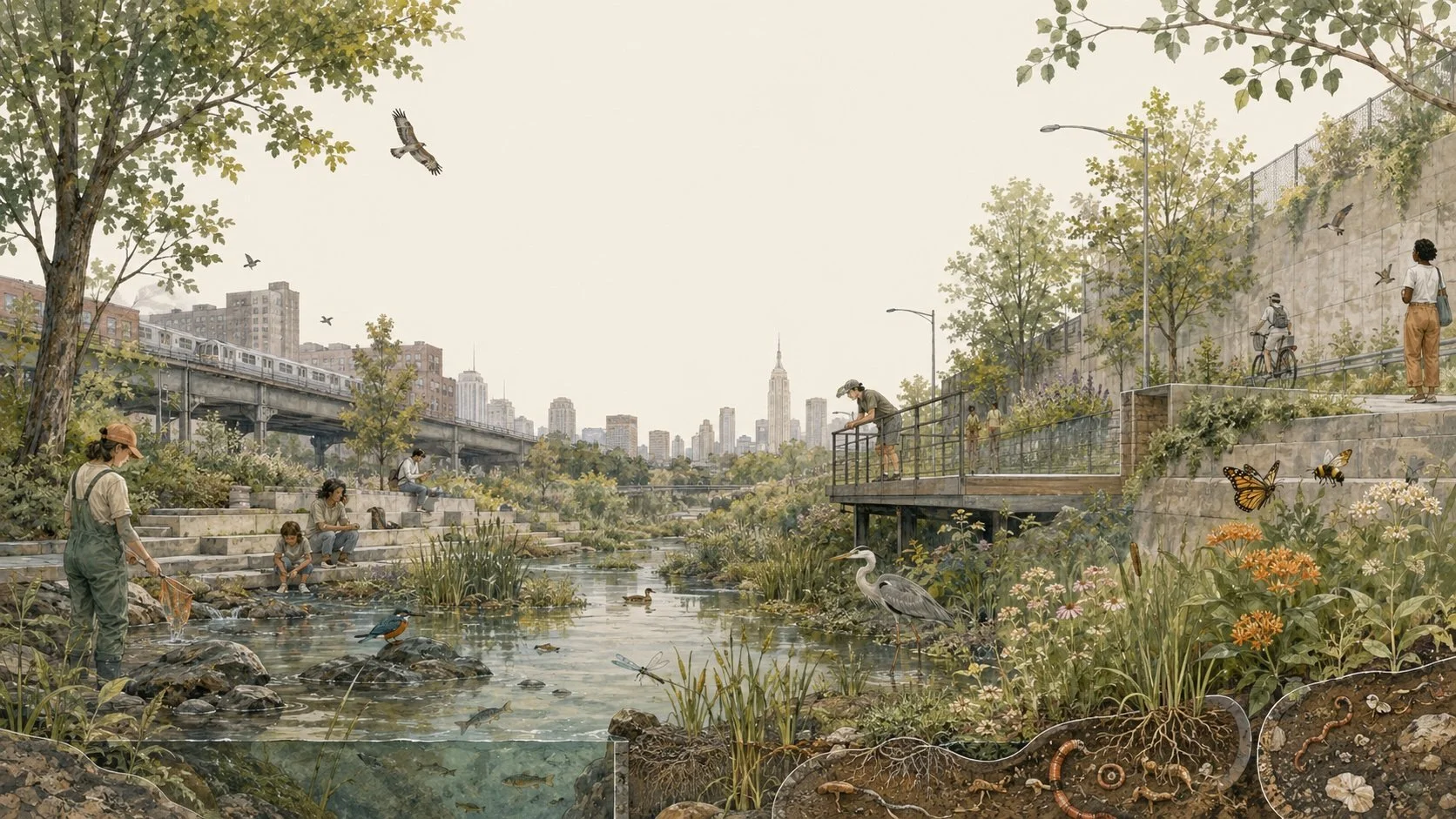
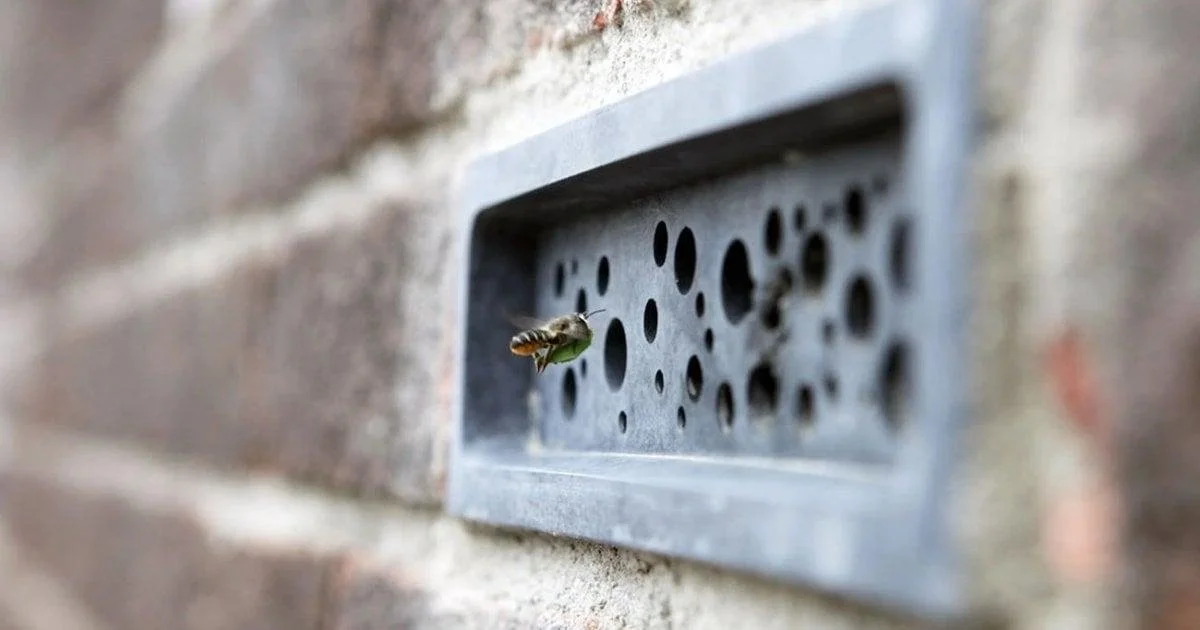
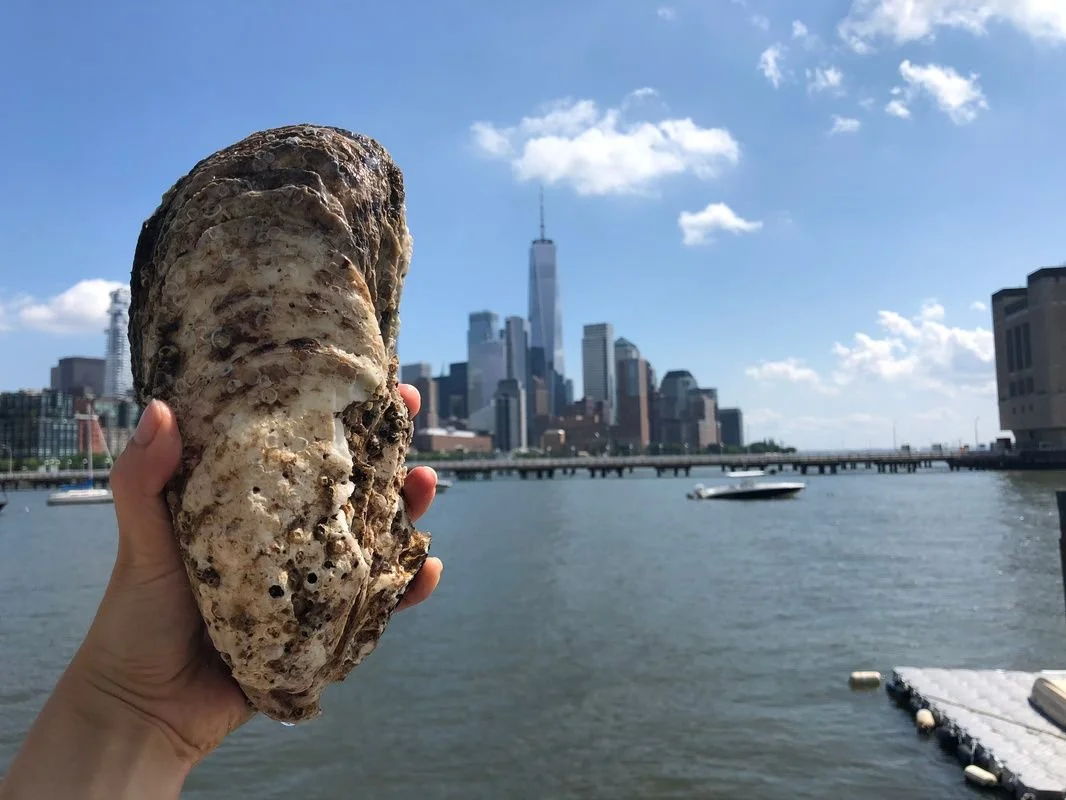
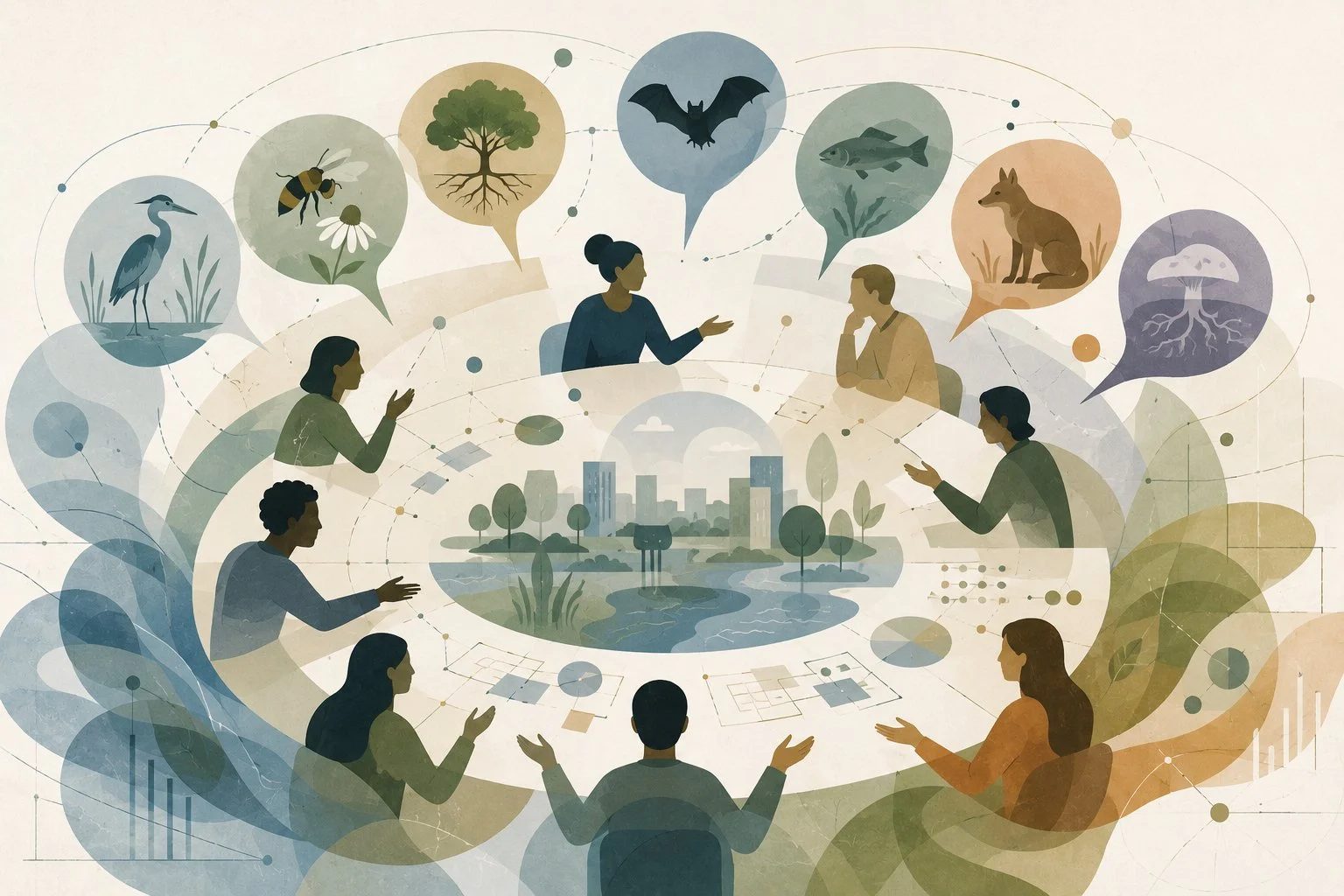
Multispecies urbanism understands cities as living systems shaped not only by people, buildings, and infrastructure, but also by animals, plants, soils, water, microbes, and ecological processes. The Lab brings together research across disciplines to develop new frameworks, tools, and evidence for cities to advance resilience and mutual flourishing across species.
Research Activities
1. Reviewing the State of Knowledge
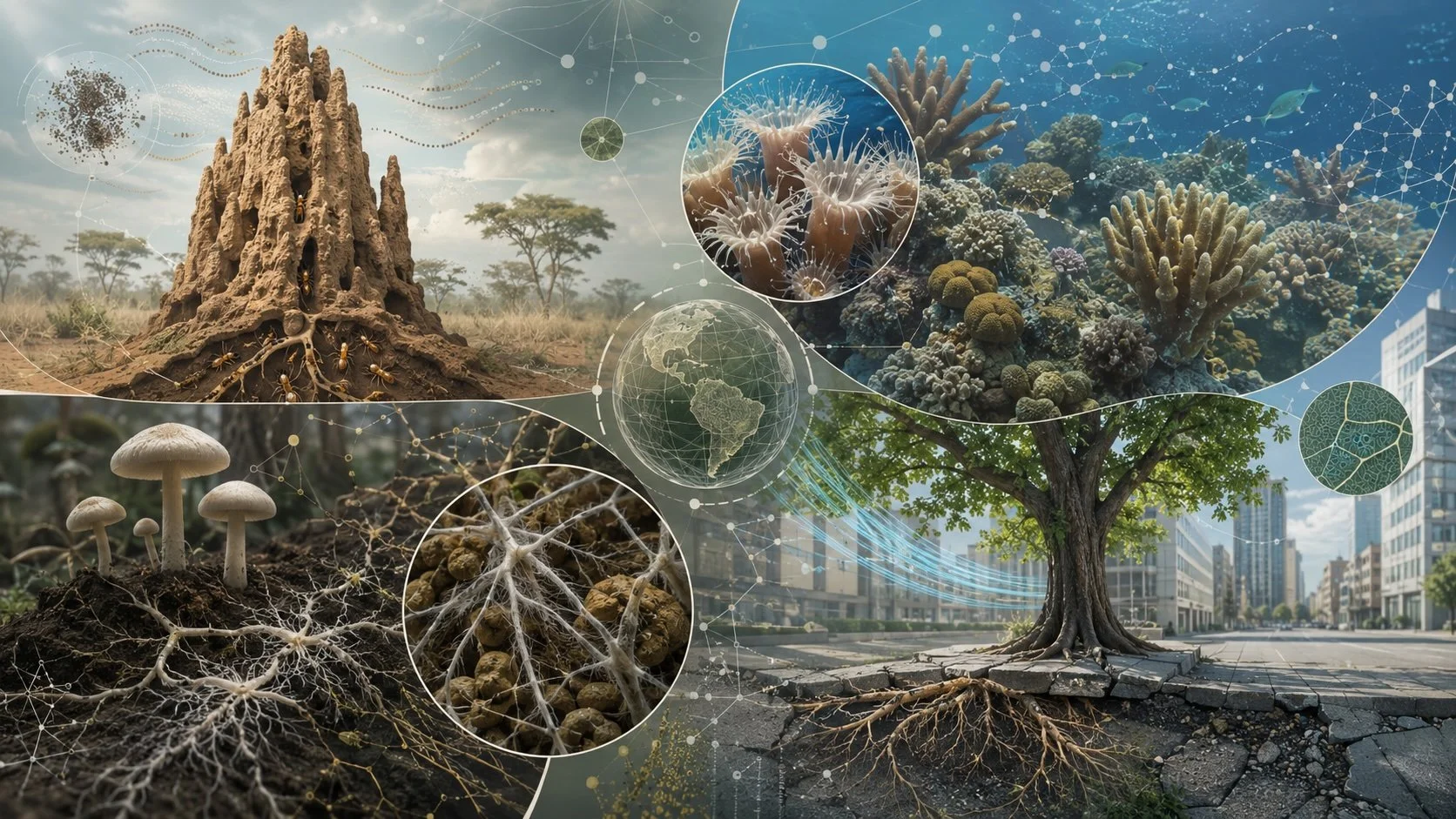
Synthesis of scholarship related to multispecies urbanism, transspecies design, multispecies sustainability, more-than-human geography, urban ecology, animal studies, posthumanism, and related fields. The aim is to identify shared concepts, tensions, and opportunities across disciplines, with attention to how these approaches understand coexistence, agency, care, justice, resilience, and urban systems.
2. Developing a Multispecies Urbanism Framework
Frameworks for understanding cities as living systems shaped by interactions among humans, other species, infrastructures, institutions, and ecological processes. Exploring how multispecies thinking can inform planning, design, climate adaptation, biodiversity, public space, stewardship, governance, and decision-making.
3. Creating and Testing Practical Tools
Translate the framework into tools and products that make multispecies urbanism actionable for planners, agencies, designers, and communities. Potential outputs include interactive maps, multispecies indicators, valuation and tradeoff methods, monitoring frameworks, and LLM-enabled decision-support tools.
Journal Articles
O’Donnell, M., Pineda-Pinto, M., Kennedy, C. L., McPhearson, T., Bloodgood, L., & Collier, M. J. (2026). Exploring multispecies co-design for social-ecological transformation. Ecology and Society, 31(2). https://doi.org/10.5751/ES-17204-310221
Pineda-Pinto, M., Lennon, M., Kennedy, C., O’Donnell, M., Andersson, E., Wijsman, K., & Collier, M. J. (2025). Realizing multispecies justice through a capability approach to promote nature-based solutions. npj Urban Sustainability, 5(1), 1–11. https://doi.org/10.1038/s42949-025-00205-z
Pineda-Pinto, M., Kennedy, C., Nulty, F., & Collier, M. (2024). Leverage points for improving urban biodiversity conservation in the Anthropocene: A novel ecosystem lens for social-ecological transformation. Environmental Science & Policy, 162, 103926. https://doi.org/10.1016/j.envsci.2024.103926
Kennedy, C. (2022). Ruderal Resilience: Applying a Ruderal Lens to Advance Multispecies Urbanism and Social-Ecological Systems Theory. Frontiers in Built Environment, 8. https://www.frontiersin.org/article/10.3389/fbuil.2022.769357
Partners
This effort brings together collaborators from: NYU’s Urban Systems Lab, NYU Center for Environmental and Animal Protection and the MUST Project, University of Helsinki.

Join us!
Please contact project coordinator, Christopher Kennedy if you’re interested in getting involved.