Advancing Science
for Livable Cities
Now Hiring a Software Engineer. Learn more
Climate Risk & Resilience
We collaborate with city planners, organizations, and NGOs to provide technical assistance and climate modeling to advance urban adaptation.
Nature-Based Solutions
Partnering with researchers and communities globally, we enhance understanding and implementation of nature-based solutions.
Coproduction & Engagement
Through interdisciplinary methods, we investigate the equity and justice dimensions of urban resilience in cities worldwide.
This report distills decades of resilience science into nine clear, actionable Must-Knows that equip decision-makers across sectors and scales with a shared, science-based foundation to cope, adapt, and transform in the face of ongoing uncertainty.
This report examines both the promise and limits of using AI as a research method across eight key sustainability challenge areas, from interconnected climate shocks and Earth system complexity to urban resilience, freshwater security, and collective decision-making under planetary pressure.
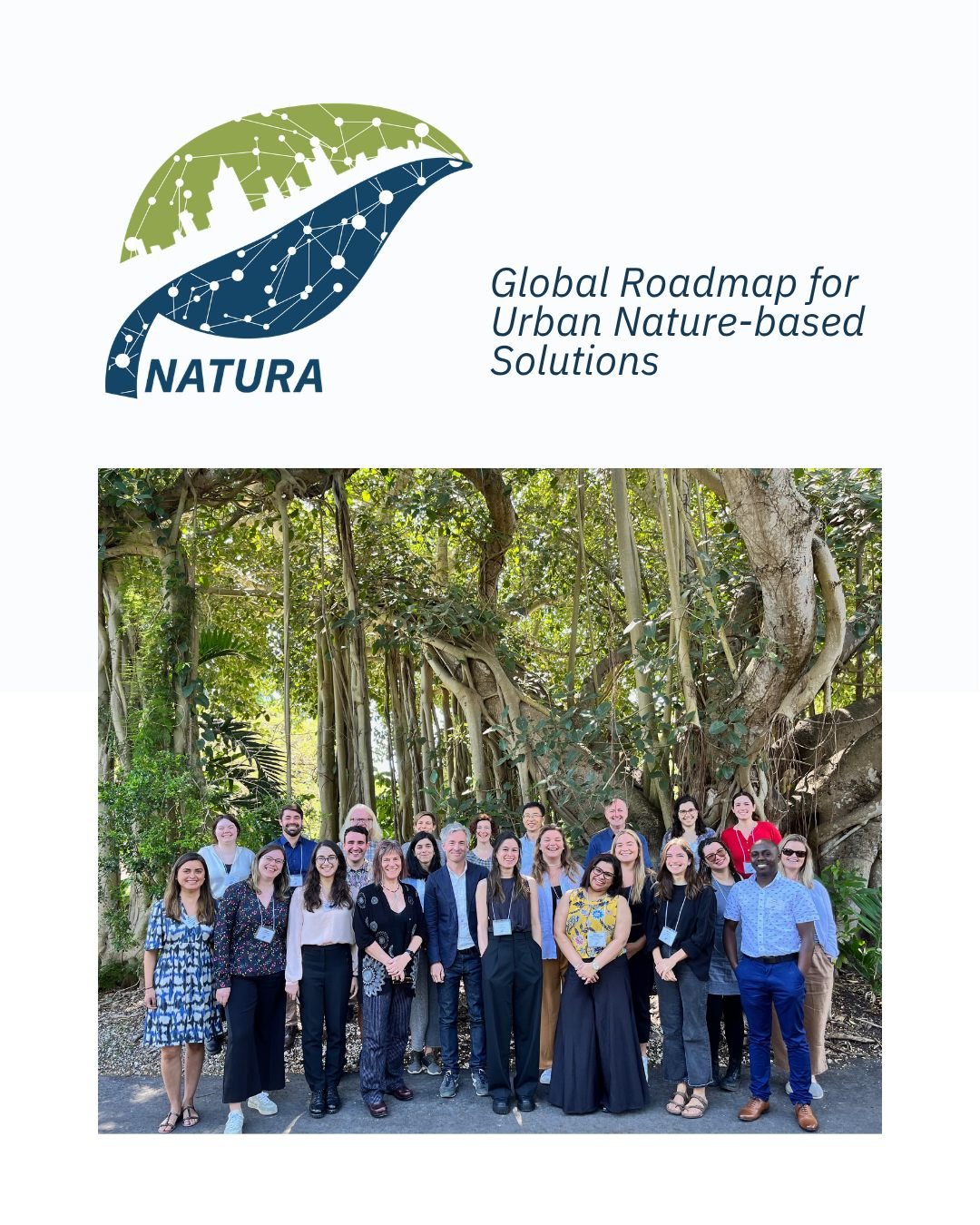
A global assessment of research and practice that charts a path for scaling nature-based solutions (NbS) to make cities more resilient, equitable, and sustainable.
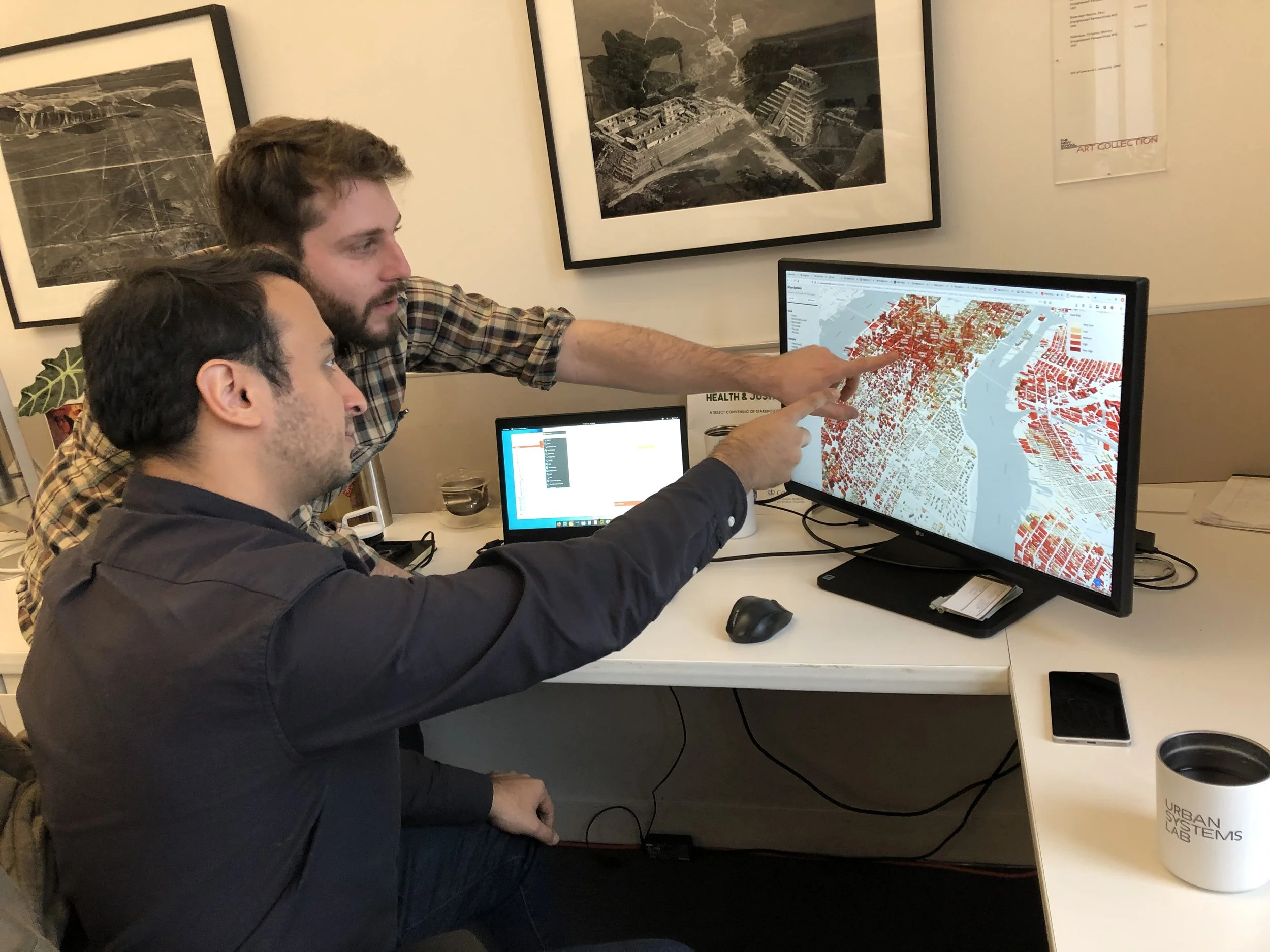
ClimateIQ is an AI driven, multi-hazard risk and vulnerability tool leveraging Machine Learning, Big Data, and multiple climate hazard model environments to reveal high resolution hotspots of overlapping climate risks in cities and urbanized regions.
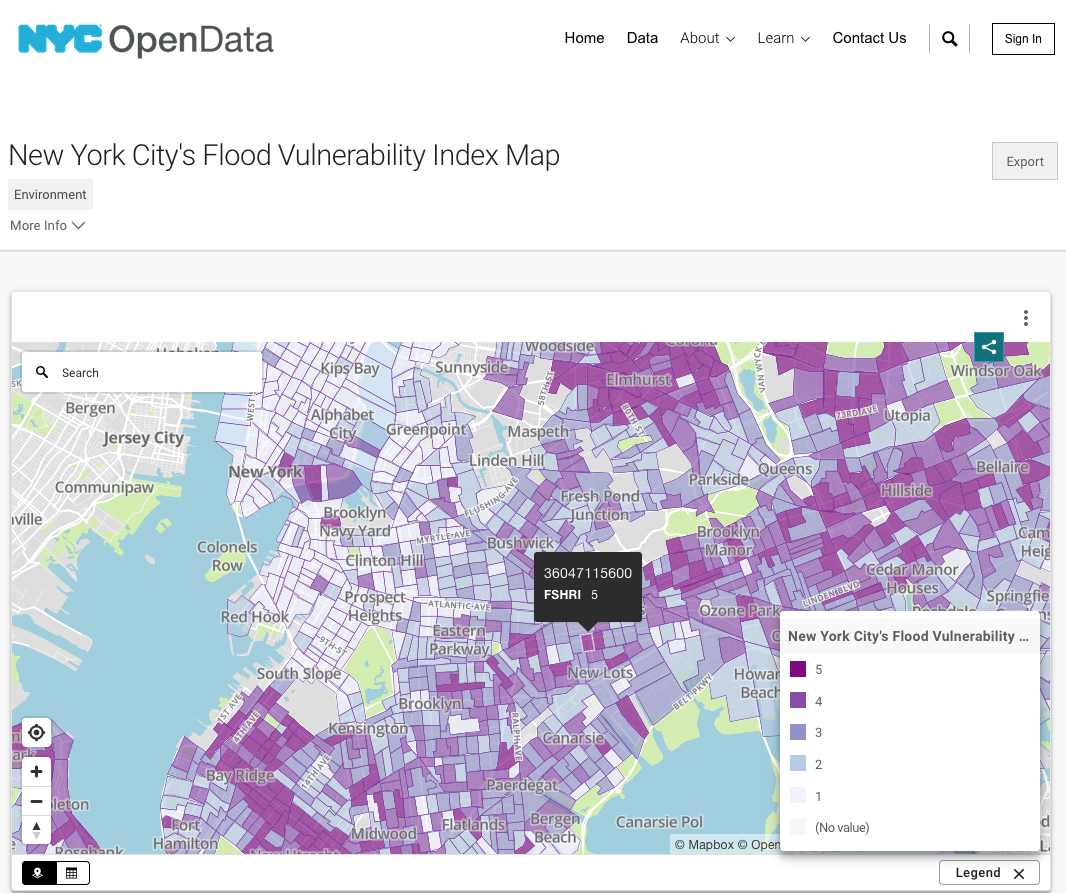
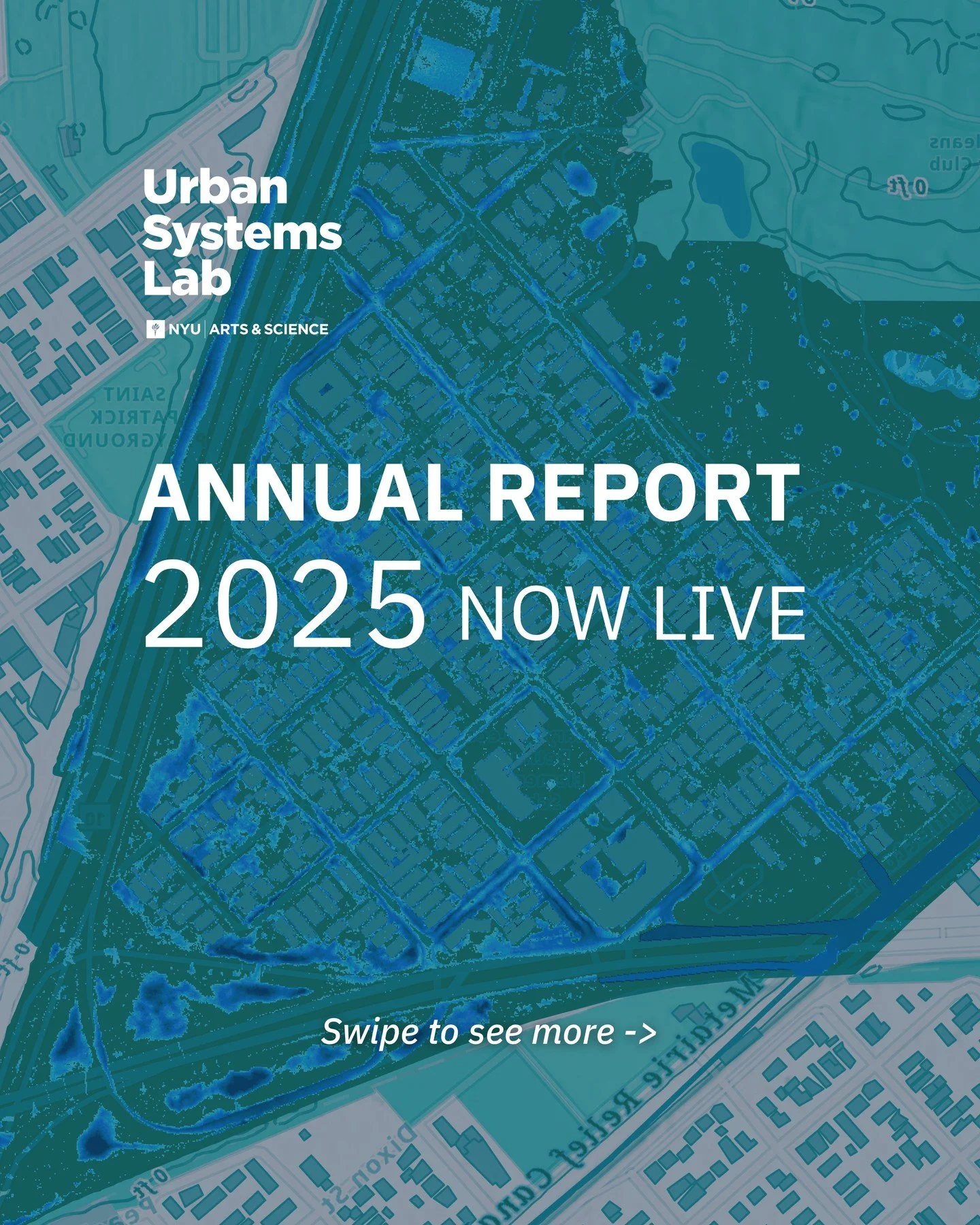
The NYC Flood Vulnerability Index (FVI) assesses the distribution of vulnerability to flooding across NYC in order to guide flood resilience policies and programs. Vulnerability contains three components: exposure to a hazard, susceptibility to harm from the exposure, and capacity to recover.
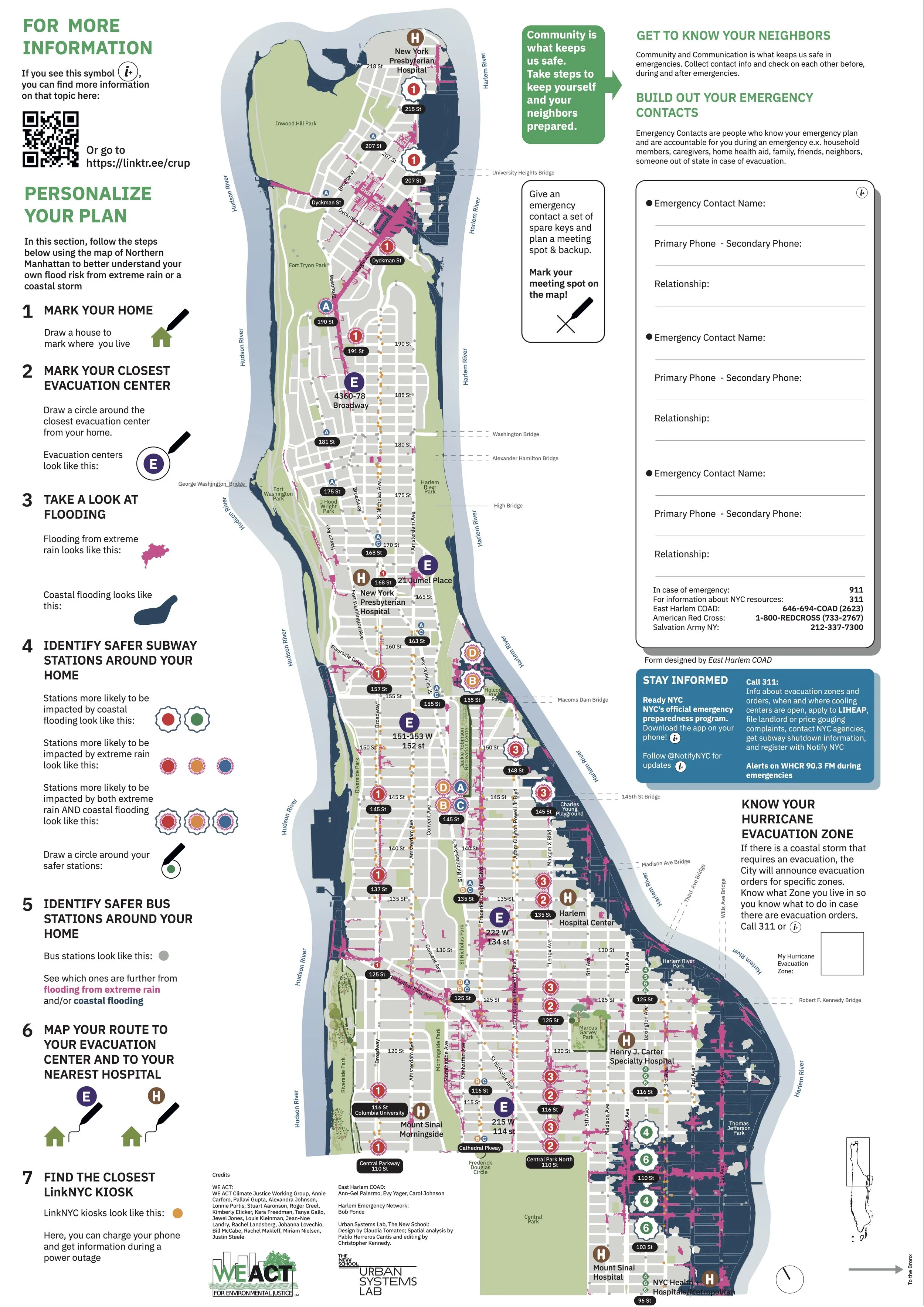
The Climate Ready Uptown Plan (CRUP) is a guide and map to help Northern Manhattan community members understand their individual risk to climate related disasters
USL supports communities with tailored modeling and risk assessments to inform equitable climate action—helping Yonkers develop its first Climate Action Plan and guiding flood-health vulnerability work in Milwaukee that spurred state investigation and new mitigation efforts.
As co-leads of the NSF-funded NATURA network, USL is helping build global knowledge on urban nature-based solutions and biodiversity—synthesizing insights from cities worldwide and developing tools like the Global Roadmap for Urban Nature-based solutions.
For nearly a decade, USL has partnered with cities like New York, Phoenix, and San Juan to advance equitable climate adaptation—co-developing NYC’s first Flood Vulnerability Index and contributing to the City’s Stormwater Resiliency Plan, Cool Neighborhoods program, and heat emergency response strategies.
ClimateIQ is revolutionizing the way that city planners, organizations and communities access high resolution climate information to better prepare and plan for resilience to flooding and extreme heat.
The USL is now seeking a Senior Laboratory Associate in Software Engineering to help advance the design and development of research-driven digital tools such as ClimateIQ.
The USL is now seeking a Postdoctoral Associate in Machine Learning to support the development and deployment of ClimateIQ, an AI climate risk assessment tool.
The Urban Systems Lab was awarded $50,000 from NYU’s Faculty Research Committee in the College of Arts and Science to support the China–U.S. Urban Resilience Exchange (CUREX).
Jen Ventrella explores the complex justice trade-offs in transmission infrastructure—where reducing urban pollution can create new burdens for environmental justice communities.
I began to be interested in managed retreat, also called planned relocation, in 2015 when I was in the city of Cali in Colombia. I learned about how the city was forcibly removing a community of thousands of people who had settled on a dike protecting the city from flooding from the river Cauca.
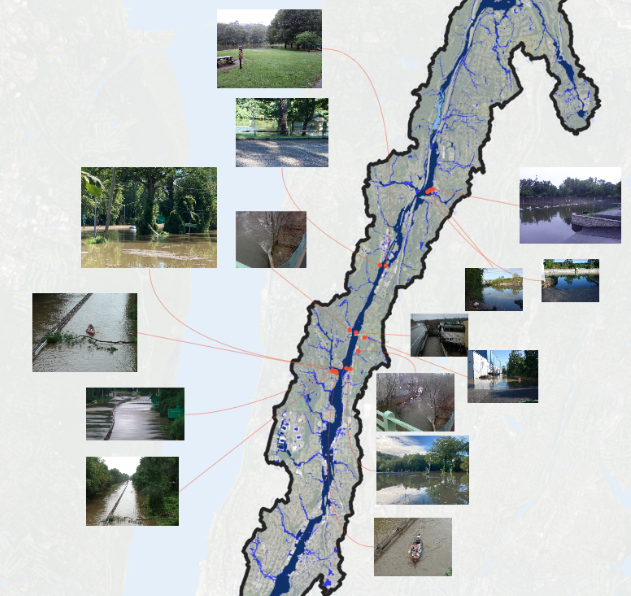
In Southwest Yonkers, where storm drains routinely overflow and residents brace for every heavy rain, a unique partnership is offering a new way forward. The recently completed Southwest Yonkers Green Infrastructure Feasibility Study, a collaboration between Groundwork Hudson Valley and the Urban Systems Lab (USL), is more than just a technical report…