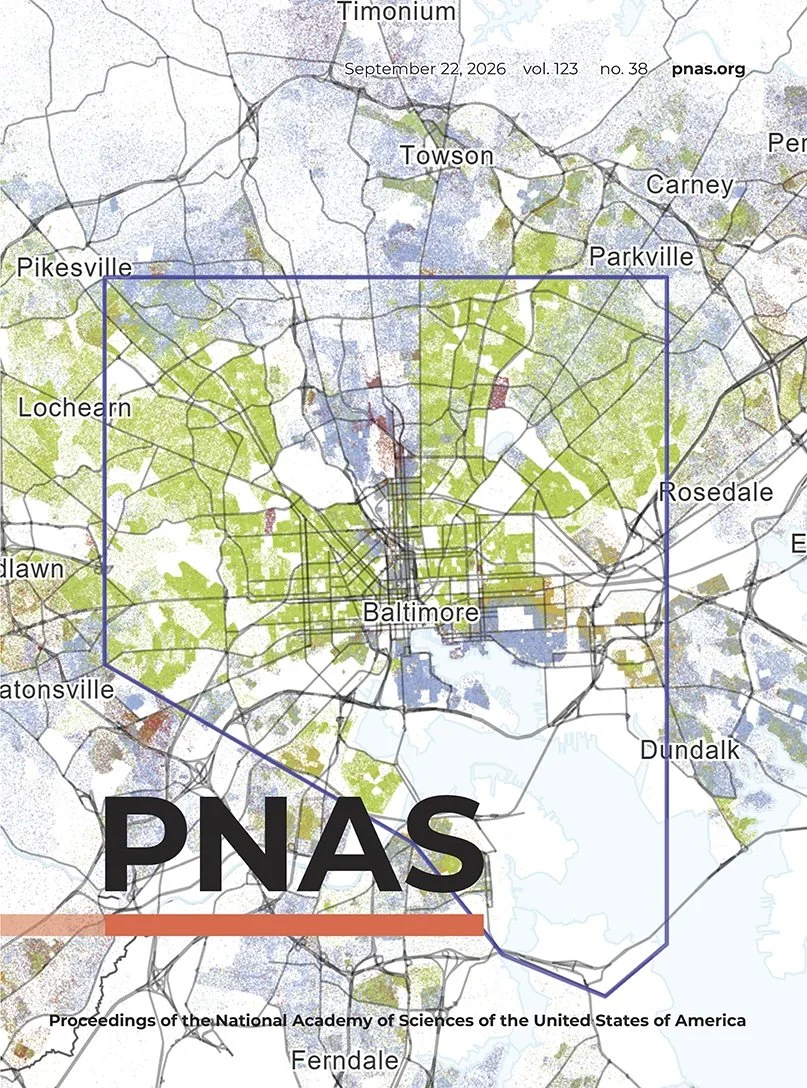
This issue of PNAS (Vol. 123, No. 38; September 2026) prominently features a special section on the "Ecology of Segregation in Cities," presenting research and perspectives on how historic residential segregation, redlining, and gentrification structurally impact modern urban ecosystems, climate resilience, biodiversity data availability, and environmental health disparities.
Read MoreThis report distills decades of resilience science into nine clear, actionable Must-Knows that equip decision-makers across sectors and scales with a shared, science-based foundation to cope, adapt, and transform in the face of ongoing uncertainty.
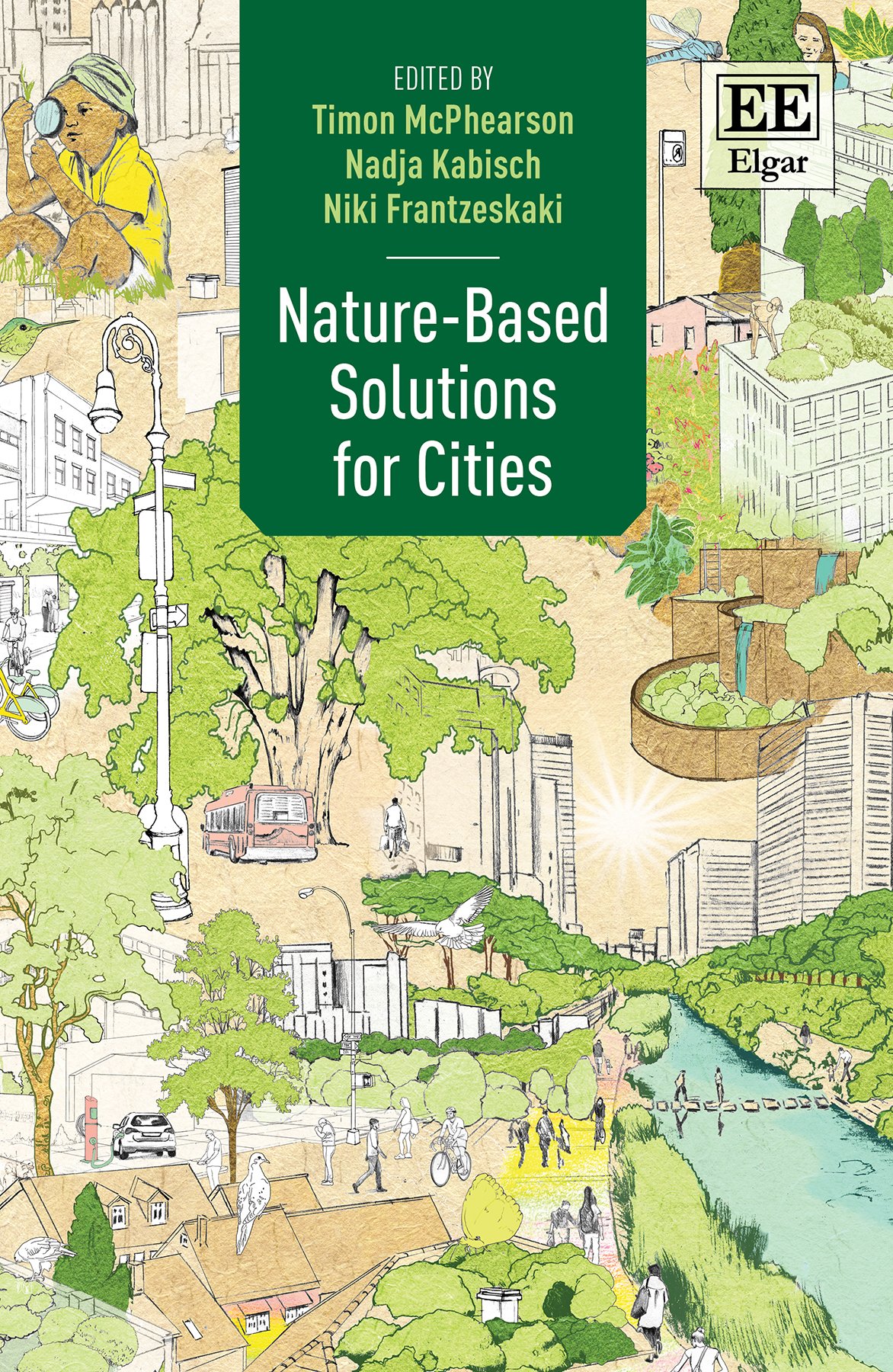
Read MoreA global assessment of research and practice that charts a path for scaling nature-based solutions (NbS) to make cities more resilient, equitable, and sustainable.
Read MoreNature-based Solutions for Cities brings diverse perspectives from across the globe together to describe the state of the art in advancing nature-based solutions for cities.
Read MoreThe 4th assessment of the NYC Panel on Climate Change (NPCC4) provides insight into the state of the science on climate change and the implications for adaptation and mitigation policy in New York City.
Read MoreThe Working Group II contribution to the Sixth Assessment Report assesses the impacts of climate change, looking at ecosystems, biodiversity, and human communities at global and regional levels. It also reviews vulnerabilities and the capacities and limits of the natural world and human societies to adapt to climate change.
Read More